Have you ever walked through a store or mall where a product stood out amongst its competitors and thought, ‘Wow, that’s a great brand!’? Chances are that it was made possible by a retail-savvy person who had that exact vision.
Richard Epstein first came across Psycho Bunny while travelling in the UK in 2019. “I was immediately struck by how it stood out in a crowded premium menswear space. Immediately, I identified how it would suit the South African market perfectly – something unique, bold and of excellent quality at that price point.” The potential was obvious to him.
“Psycho Bunny is not screaming a logo at you; it’s a detail that those in the know recognise. That kind of quiet luxury resonates very well with the South African consumer who has become increasingly sophisticated.
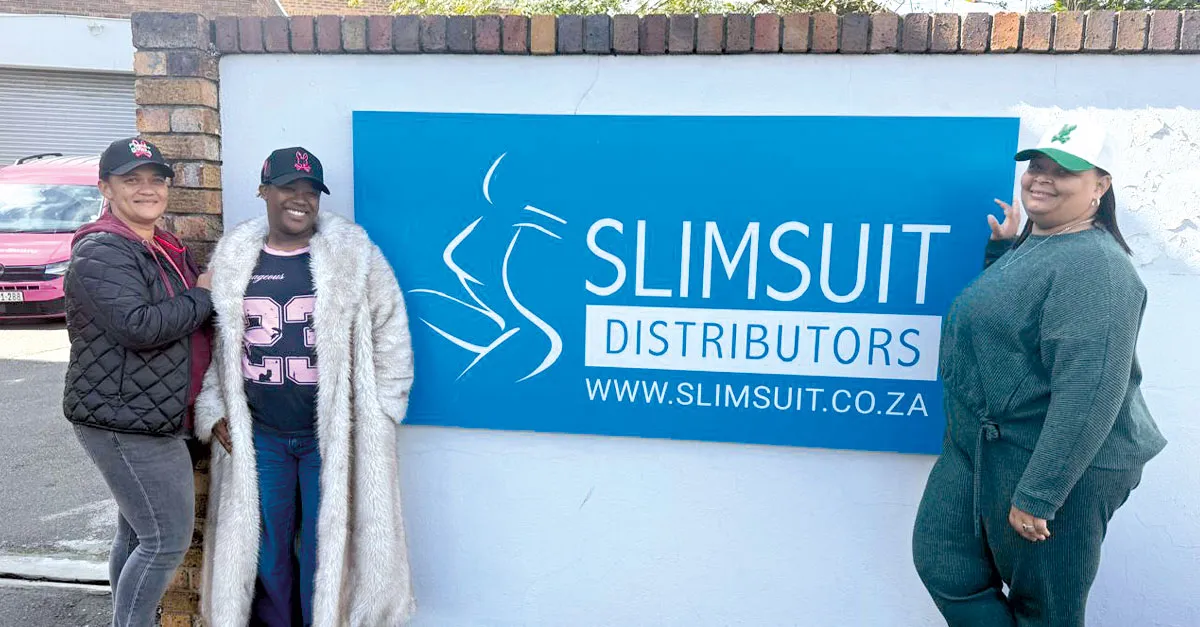
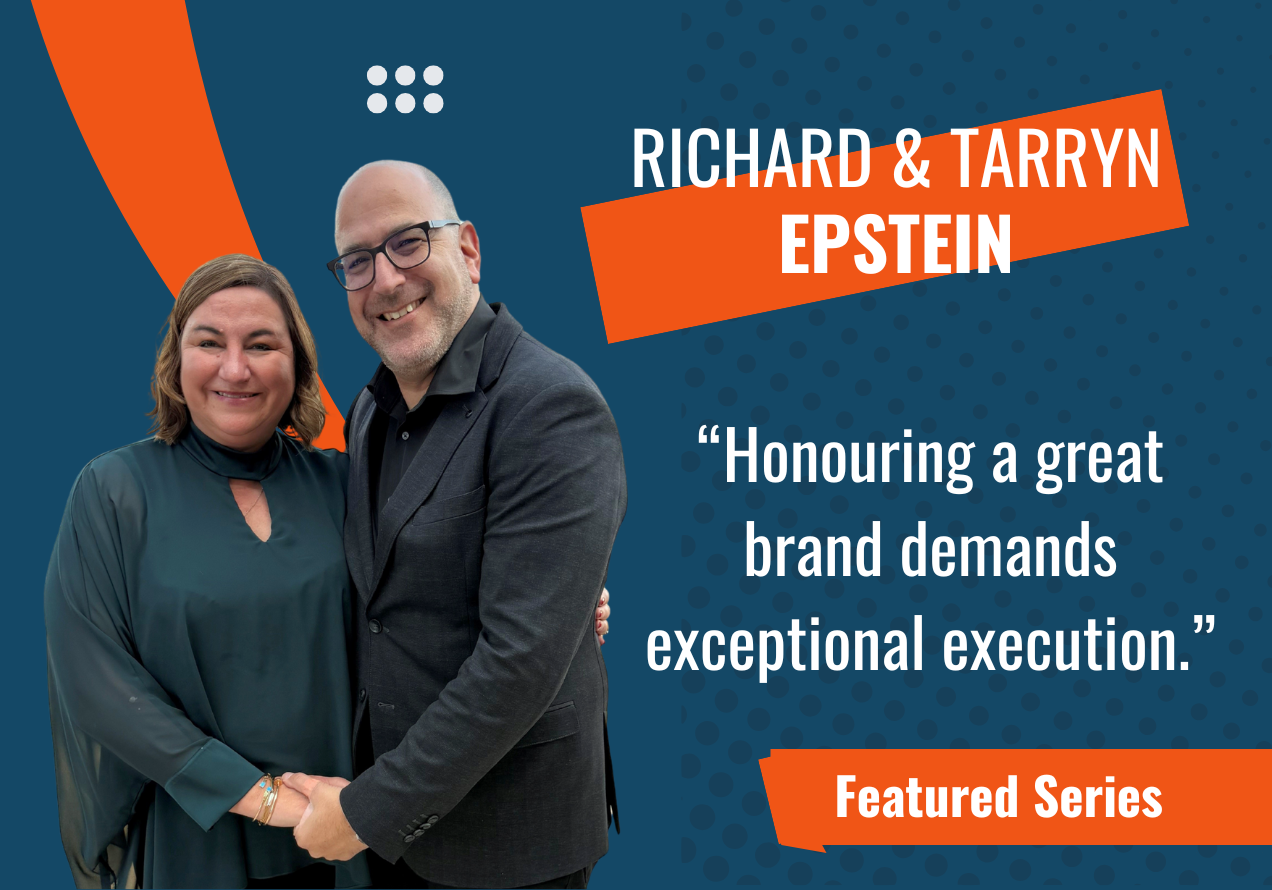
Richard is the director for both Slimsuit Distributors (Pty) Ltd and ARTI Holdings. His wife, Tarryn Epstein, is the managing director of Slimsuit Distributors (Pty) Ltd and director of ARTI Holdings.
A Decision Made Based on Experience
Epstein has a strong background in finance and sales, and he grew up around fashion retail. “My mom had a children’s clothing boutique long before chains like Woolworths & Edgars started offering children’s clothing ranges.
“My wife Tarryn has been in retail her entire career, mainly in operations, but bought Sea Weeds Boutique 20 years ago.” From this joint knowledge, Slimsuit Distributors was born. “We built Slimsuit Distributors as a vehicle for bringing quality global brands to the Southern African market.”
Beyond Psycho Bunny, the husband-and-wife team also holds the distribution rights to Joseph Ribkoff, Bugatti, Triumph, Betty Barclay, and various other swimwear and resort wear ranges. Distribution operates through their retail stores Sea Weeds Boutique, Sea Storm menswear, and the Psycho Bunny stores. Additionally, they also distribute to 120 other retail customers around South Africa and the SADC Region.
“What we built over the years was really an operational platform — the import infrastructure, the retail expertise, the brand-building capability. When the Psycho Bunny opportunity presented itself, we weren’t starting from scratch; we had a proven model to apply to a new brand. The difference with Psycho Bunny is the scale of ambition — we’re building a dedicated monobrand retail network, which is a different challenge and a genuinely exciting one.
Epstein explains that considering bringing a brand to South Africa, especially a luxury brand, requires a lot of research beyond liking the product or its aesthetic appeal. “I also looked at where the brand was performing internationally. It was strong in North and South America and also growing in Dubai and the Middle East. We felt that the gap in the local market was real. Premium casualwear with genuine quality credentials at an accessible luxury price point was underserved here. That analysis, combined with the brand’s momentum globally, made it a compelling opportunity.”
Bringing an international brand like Psycho Bunny to South Africa is a multi-layered process that goes far beyond simply signing an agreement and filling a container. “It starts with deep market research – understanding whether the brand’s DNA, price positioning, and aesthetic translate to the local consumer.
“On the ground, you need the right retail infrastructure, trained staff who understand the brand story, and a visual merchandising approach that meets the brand’s global standards. It’s genuinely a full business within a business, and most people underestimate the complexity until they’re in it.”
Written by
Maryna Steyn
https://smesouthafrica.co.za/